
Be Still and Know That I Am God: Psalm 46:10 Meaning
“Be still, and know that I am God” is often printed over peaceful landscapes. That can make Psalm 46:10 sound like simple advice to slow down, breathe deeply, and find a quiet moment. Quiet reflection is good, but the verse says something stronger.

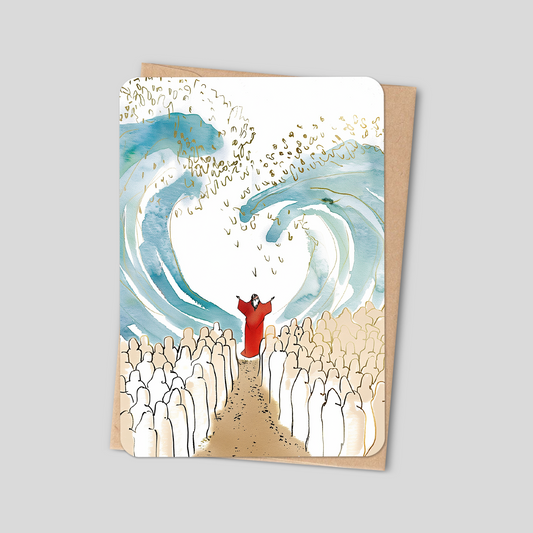
In context, Psalm 46:10 is a command to stop striving and recognize that God alone rules. The psalm describes collapsing mountains, roaring waters, raging nations, and falling kingdoms. God speaks into that chaos and tells every rival power to cease. He will be exalted, whether the world acknowledges Him willingly or not.
“Be still, and know that I am God.” — Psalm 46:10
For believers, this is both a warning and a comfort. We are not sovereign, but God is. We do not have to control every outcome, win every argument, or carry responsibilities that belong to Him. We can release our frantic grasp without abandoning faithful action.
What does “be still” mean in Psalm 46:10?
The words translated “be still” carry the sense of ceasing, letting go, or stopping the struggle. The New English Translation renders the command, “Stop your striving and recognize that I am God.” The picture is not mainly of someone sitting quietly beside a lake. It is of human resistance coming to an end before the authority of God.
That matters because the verse is easy to shrink into a private wellness slogan. Psalm 46 is not centered on our ability to create a peaceful atmosphere. It is centered on God’s power over creation, nations, armies, and history.
The command has at least two closely related implications:
- To God’s enemies: Stop resisting. Your weapons, kingdoms, and plans cannot overthrow the Lord.
- To God’s people: Stop trusting frantic human effort as though everything depends on you. Take refuge in the God who is present and able to save.
Interpreters differ about which audience is addressed most directly in verse 10. The surrounding verses emphasize hostile nations and the end of war, making a rebuke to the nations likely. Yet God’s people also hear the command and are called to rest their confidence in Him. Either way, the central truth is the same: God is God, and no one else is.
Psalm 46 begins with chaos, not calm
The opening lines of Psalm 46 do not describe an easy life. The earth gives way. Mountains fall into the sea. Waters roar and foam. Nations rage and kingdoms totter. This is creation-level language for circumstances that feel completely unstable.
Yet the psalm does not say God’s people are fearless because the danger is exaggerated. It says they will not fear because “God is our refuge and strength, a very present help in trouble” (Psalm 46:1).
Notice the phrase in trouble. God is not presented as a refuge who prevents every frightening moment from arriving. He is present in the middle of it. The psalm’s confidence rests on His character, not on favorable conditions.
The same contrast appears throughout the song:
- The waters roar, but the river of God brings gladness.
- The nations rage, but one word from God makes the earth melt.
- Kingdoms fall, but the city where God dwells is not moved.
- War spreads, but God breaks the bow and shatters the spear.
The world may look ungoverned. Psalm 46 insists that it is not.
What does it mean to “know that I am God”?
To know that the Lord is God is more than agreeing that He exists. In Scripture, knowing God includes recognizing His identity, authority, faithfulness, and rightful claim over us.
Psalm 46:10 immediately explains what God will do: He will be exalted among the nations and throughout the earth. His glory is not dependent on our success, public approval, political stability, or personal comfort. He does not become more sovereign when life makes sense or less sovereign when it does not.
This knowledge humbles us because it exposes the limits of our control. It also steadies us because the One who rules is the same God the psalm calls our refuge.
If the phrase fear of the Lord has ever sounded like panic, our guide to what the fear of the Lord means explains how reverence, trust, and obedience belong together.
What “be still” does not mean
It does not mean becoming passive
Trusting God is not an excuse to neglect responsibility. The Bible does not praise laziness, avoidance, or indecision. Moses still had to lead. David still had to act courageously. Nehemiah prayed and posted guards. Paul trusted God while working, traveling, teaching, and enduring hardship.
Biblical stillness means surrendering the illusion of control, not surrendering obedience. We stop trying to occupy God’s place, then faithfully do the work He has actually given us.
It does not mean suppressing honest emotion
Psalm 46 does not tell frightened people to pretend nothing is wrong. The Bible gives us laments, tears, questions, and cries for help. Faith is not emotional numbness.
You can tell God that you are afraid while trusting Him. You can grieve a loss while believing He remains good. You can feel overwhelmed without concluding that God has lost control.
It does not promise immediate relief
Sometimes God changes circumstances quickly. Sometimes He gives endurance for a long road. Psalm 46 promises God’s presence and final authority; it does not promise that every crisis will end on our preferred schedule.
This guards us against shallow encouragement. Telling a suffering person to “just be still” can sound dismissive if we mean, “Stop feeling this.” A more faithful encouragement is: “You do not have to carry this alone. God is present, and I will walk with you.”
It is not emptying the mind
Christian stillness has an object: the living God. The command is not merely to become quiet but to know who He is. We remember His works, listen to His Word, confess where we have resisted Him, and place our trust in His character.
How do you practice Psalm 46:10 in daily life?
1. Name what you are trying to control
We often call something “responsibility” when it has quietly become an attempt to control another person, predict the future, or guarantee an outcome. Ask plainly: What am I carrying that belongs to God?
You may be responsible to tell the truth, make a wise plan, apologize, protect a child, seek help, or complete difficult work. You are not responsible for controlling every response or ensuring that nothing painful ever happens.
2. Stop the kind of striving that disobeys God
Frantic effort becomes sinful when it leads us to manipulate, deceive, neglect people, compromise convictions, or treat prayer as a last resort. Stillness may require stopping before it feels efficient.
That could mean refusing to send the angry message, ending the mental rehearsal of an argument, admitting you do not know the answer, or choosing not to force a door God has not opened.
3. Remember what is true about God
Psalm 46 repeats its central refrain: the Lord is with His people, and the God of Jacob is their fortress. When anxiety narrows your vision to the immediate problem, deliberately rehearse God’s character.
- He is present, even when you do not feel composed.
- He is wise, even when you cannot see the outcome.
- He is holy, so His commands remain good under pressure.
- He is merciful, so you can repent when fear has ruled you.
- He is sovereign, so the future does not rest on your shoulders.
4. Take the next faithful step
After surrender comes obedience. Ask, What is the clearest faithful action in front of me? It may be small: make the call, keep the promise, ask forgiveness, seek counsel, finish today’s work, or wait without manipulating the result.
Faithfulness is often quieter than panic. It does not need to solve the entire future before dinner.
5. Make room for Scripture and prayer
A quiet room is not the meaning of Psalm 46:10, but quiet attention can help us live its truth. Turn off the stream of commentary long enough to read the whole psalm. Pray through its images. Let God’s Word challenge the story your fear is telling.
For another passage about peace that guards us without denying hardship, read our explanation of the peace of God in Philippians 4:7.
How Psalm 46 points Christians toward lasting hope
Psalm 46 looks beyond one private crisis. It declares that God will end war and be exalted throughout the earth. Christians understand that hope in light of Jesus Christ, the King whose kingdom cannot be shaken.
Christ does not offer peace by pretending sin, death, and judgment are small. He faced them. Through His death and resurrection, He secured forgiveness for sinners and the promise that evil will not have the last word. His people still live in a turbulent world, but they do not face it without a King or without hope.
That is why Christian stillness is not resignation. We are not saying, “Nothing matters.” We are saying, “God reigns, so faithful obedience matters more than frantic control.”
A simple way to pray Psalm 46:10
When life feels unstable, you can use the movement of Psalm 46 as a pattern for prayer:
- Confess the trouble honestly. Tell God what feels threatening or beyond your control.
- Declare who He is. Name Him as your refuge, strength, present help, and fortress.
- Release your striving. Confess any manipulation, panic, or self-reliance.
- Ask for faithful obedience. Seek wisdom for the responsibility that is truly yours.
- Rest the outcome with God. Trust that His glory and purposes do not depend on your ability to manage everything.
The clear meaning of Psalm 46:10
“Be still, and know that I am God” means: stop resisting, stop grasping for God’s place, and recognize the Lord’s unmatched authority. The verse is not a sentimental promise that life will always feel peaceful. It is a declaration that God remains sovereign when creation shakes and nations rage.
Stillness is not inactivity. It is surrendered confidence that frees us to obey without pretending we control the result.
You may not be able to quiet the world today. You may not even be able to quiet every thought. But you can turn from frantic self-reliance, remember who God is, and take the next faithful step under His rule.
A prayer for trust when life feels unsteady
Father, You are my refuge and strength. Forgive me for the ways I grasp for control, rehearse fear, and act as though everything depends on me. Teach me to stop striving against Your rule and to trust Your wisdom without neglecting the work You have given me. When circumstances feel unstable, steady my heart with the truth of who You are. Help me obey clearly, speak honestly, and leave the outcome in Your hands. Thank You that through Christ I belong to a kingdom that cannot be shaken. Amen.